
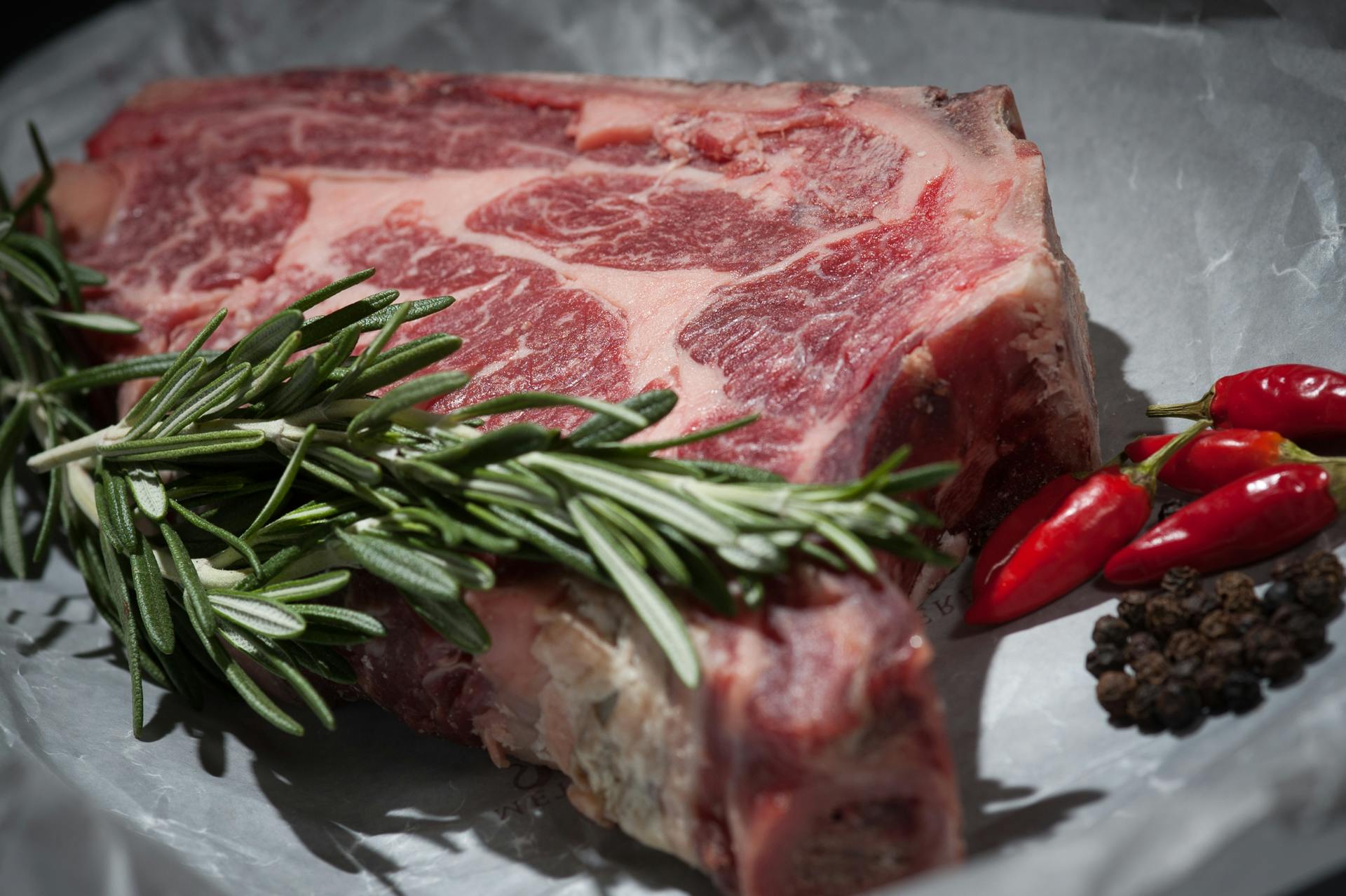
Veganism is not healthy in the way many people believe. At first, plant-only diets may seem clean and sustainable, but the truth is that they often leave the body lacking critical nutrients. Over time, vegan diets can result in deficiencies in vitamin B12, heme iron, taurine, creatine, and DHA/EPA omega-3s. These nutrients are essential for brain health, hormone balance, energy production, and overall vitality.
Veganism Is Not Healthy for Nutrition
Although veganism promotes fruits, vegetables, and grains, the nutrients that truly sustain the body are missing or less bioavailable in plant-based foods.
- Vitamin B12 is nearly impossible to get from plants.
- Heme iron from meat is far more absorbable than non-heme iron from plants.
- Creatine and taurine are vital for energy and muscle function but are found naturally in animal products.
- DHA/EPA omega-3s from fish are essential for brain health and can’t be replaced by short-chain plant omegas.
Without these building blocks, veganism is not healthy in the long term.
Being Vegan is Not Healthy for Hormones and Energy
When the body runs low on these essential nutrients, hormones take the hit. Veganism is not healthy for thyroid function, reproductive health, or energy levels. Many plant-based eaters experience fatigue, brain fog, poor recovery, and unstable moods. By contrast, high-quality animal foods supply the fats, proteins, and micronutrients that regulate hormones and power the body efficiently.
Veganism Is Not Healthy Compared to Quality Animal Foods
It is important to recognize that not all meat is equal. Conventional, feedlot-raised meat is often lower in nutrients and higher in inflammatory compounds. However, grass-fed beef, pasture-raised eggs, raw dairy, and wild-caught fish are nutrient-dense foods humans have thrived on for centuries. These foods contain bioavailable proteins, fat-soluble vitamins, and minerals in the exact forms the body needs. For this reason, veganism is not healthy compared to a diet rich in responsibly raised animal foods.
The Vegan Lifestyle Is Not Healthy for the Planet
A common claim is that eating animals is bad for the environment. This is misleading. Veganism is not healthy for the planet because large-scale monocrop farming of soy, corn, and wheat destroys ecosystems, depletes soil, and pollutes waterways with pesticides and fertilizers.
On the other hand, regenerative grazing with cattle, sheep, and other livestock restores soil health, captures carbon, and increases biodiversity. Managed properly, animals are not the problem—they are part of the solution.
Conclusion
The evidence is clear: veganism is not healthy for long-term human flourishing. Plant-only diets create nutrient deficiencies, weaken the body, and do not deliver on environmental promises. In contrast, a diet based on high-quality animal foods supports strong health, balanced hormones, sharp minds, and even ecological restoration.
Your body doesn’t thrive on substitutes or fortified powders. It thrives on real, nutrient-dense foods from animals raised the right way.
You might also enjoy our post, “The Egg-citing Truth: Why Pasture-Raised Eggs are the Best Choice for Your Health and the Environment.”


